Tools for interpretation
Toolkit
Algorithms, interfaces, and search engines for interpreting artificial intelligence made in the course of the AI Forensics research project. Click each overview card for further explication; some tools can be used in-browser.
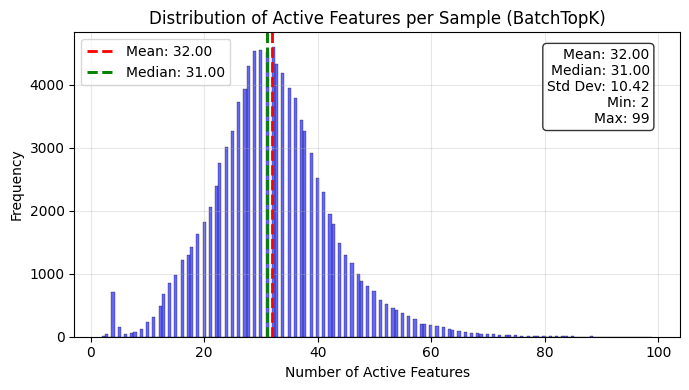
BatchTopK SAEs
Sparse autoencoder training technique achieving better reconstruction, at the same sparsity, for less compute
- Context:Superposition and linear representation hypotheses; sparsity as a viable path to monosemanticity
- Credit:Bart Bussmann, Patrick Leask, Neel Nanda
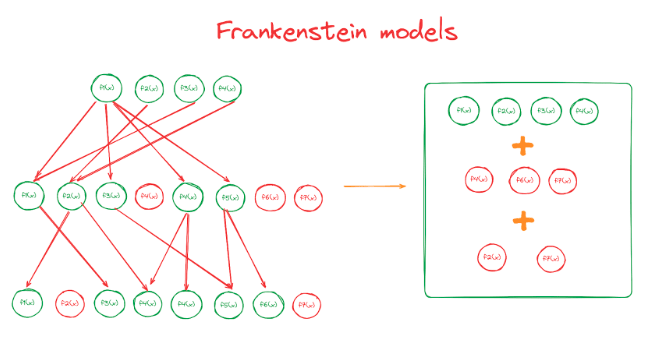
SAE stitching
Balancing novel and reconstruction latents by smoothly interpolating between differently-sized SAEs
- Context:Superposition and linear representation hypotheses; sparsity as a viable path to monosemanticity
- Credit:Patrick Leask, Bart Bussmann, Joseph Isaac Bloom, Curt Tigges, Noura Al Moubayed, Neel Nanda
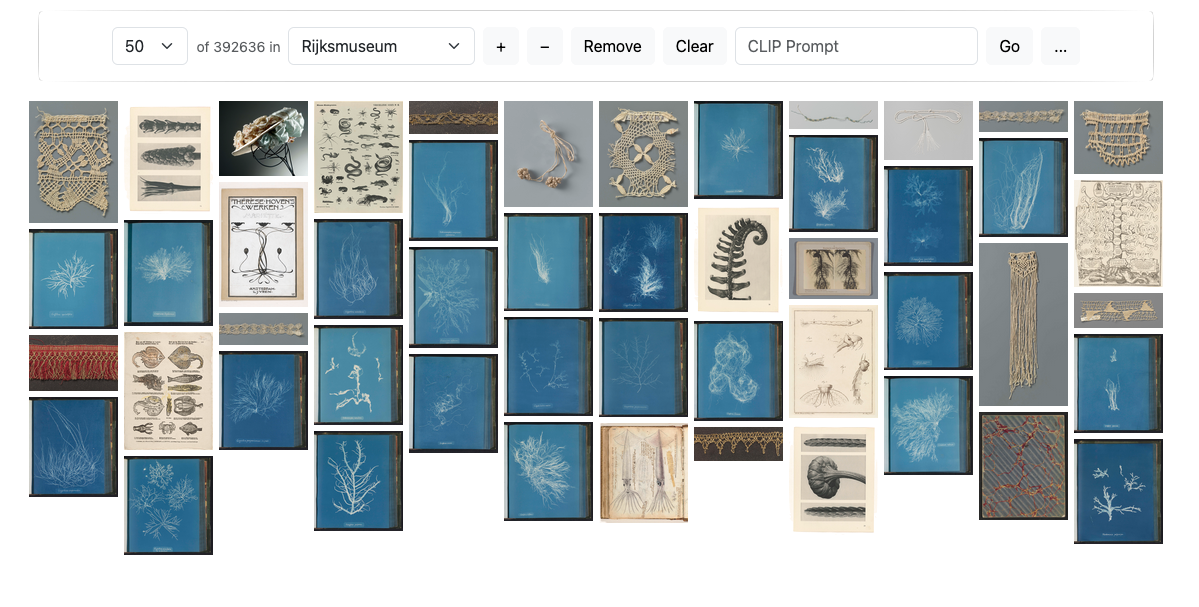
imgs.ai
Multimodal semantic re/search engine for digital art history.
- Context:The emergence of technical-humanist critique; digital art history as the study of visual models; inextricability of dataset and model
- Credit:Fabian Offert, Peter Bell, Oleg Harlamov
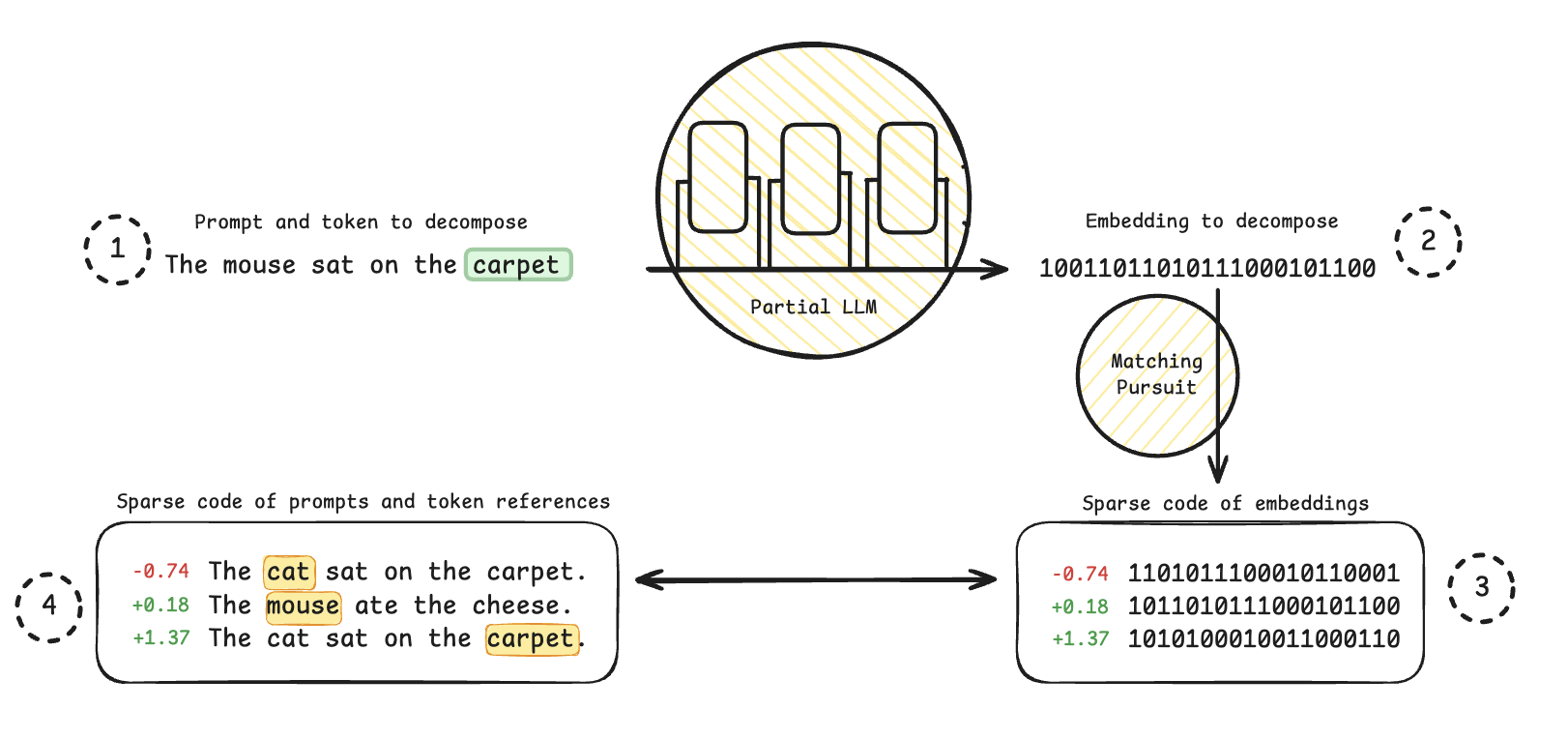
Inference-time decomposition of activations
Scalable, cross-model alternative to SAEs for mechanistic interpretability
- Context:Pushing the boundaries of scale, efficiency, and comparability in mechanistic interpretability
- Credit:Patrick Leask, Neel Nanda, Noura Al Moubayed
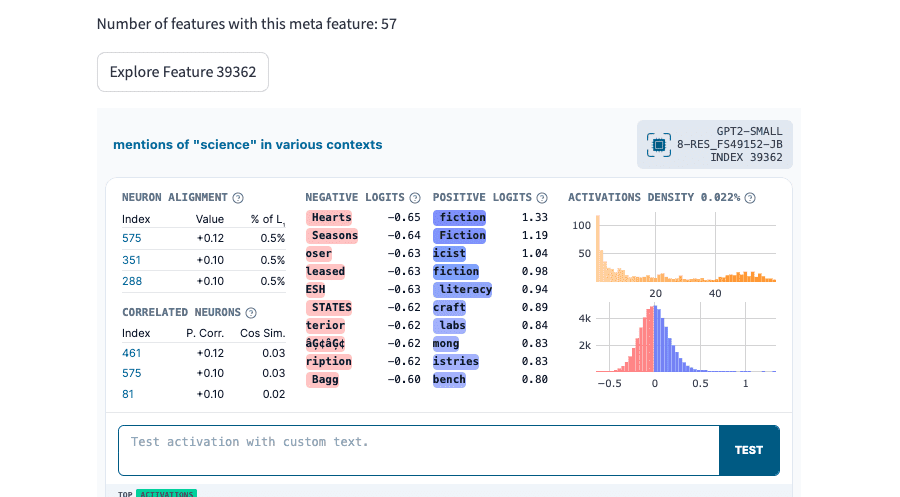
Meta SAE Dashboard
An interactive dashboard of the meta-SAE decompositions
- Context:Exploring the sparse autoencoder paradigm in light of atomicity and de/composition
- Credit:Patrick Leask, Bart Bussmann, Michael T Pearce, Joseph Isaac Bloom, Curt Tigges, Noura Al Moubayed, Lee Sharkey, Neel Nanda
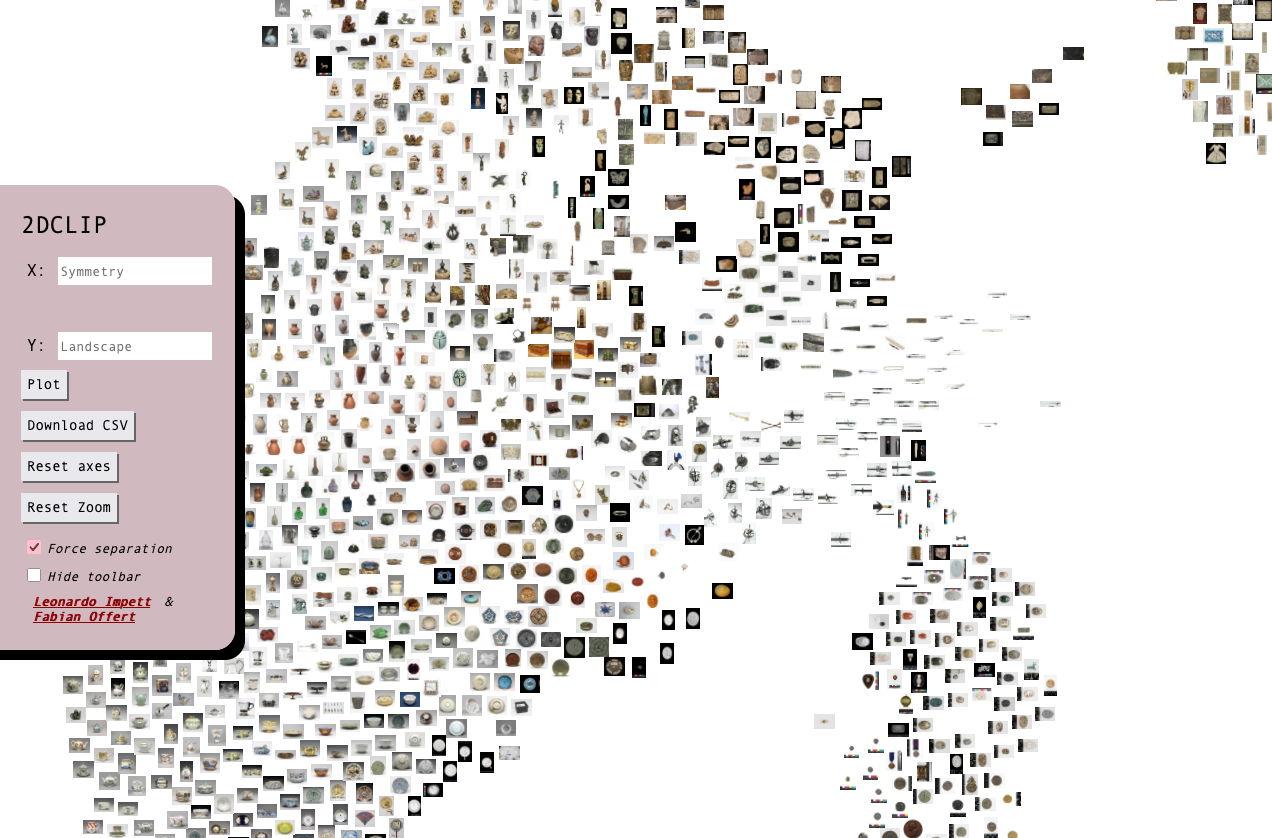
2DCLIP
Semantically map visual datasets with—and disentangle the tensions within—OpenAI’s CLIP
- Context:Multimodal neural networks as models of visual culture
- Credit:Leonardo Impett, Joseph Rocca
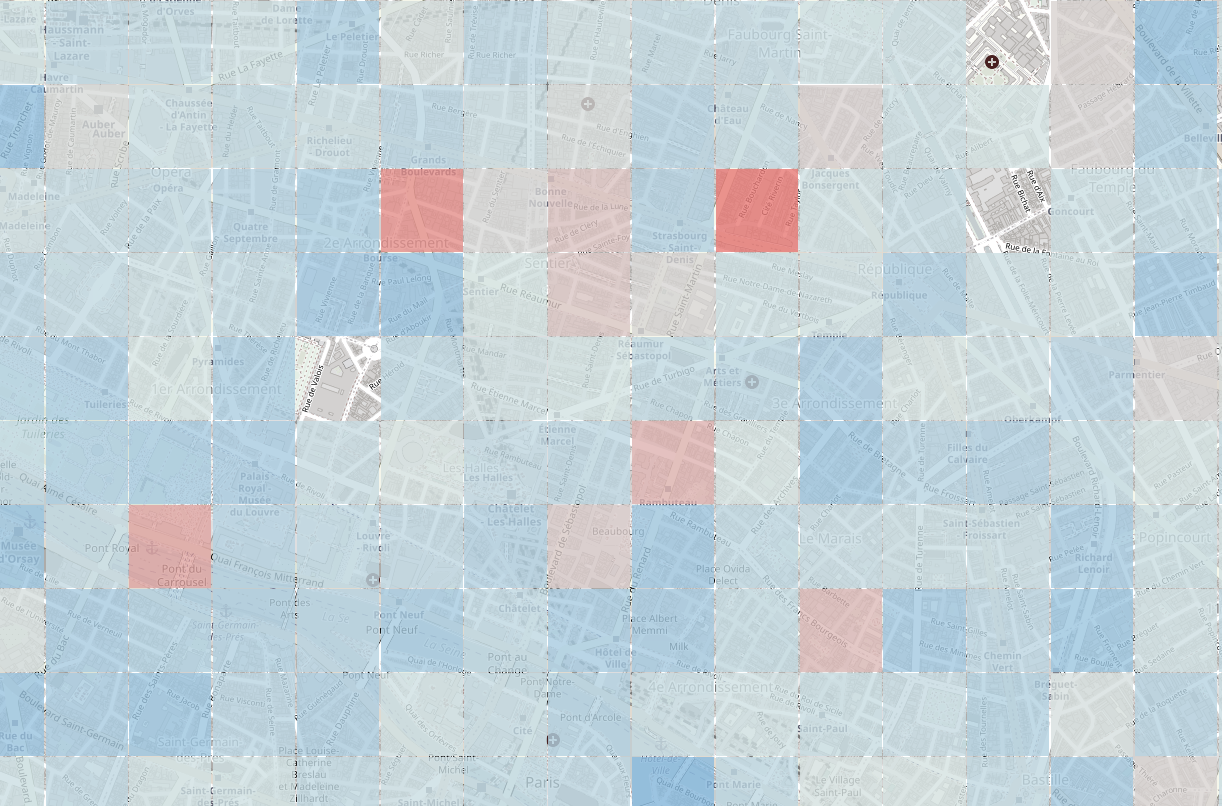
CLIP-MAP
Map the spatiality of OpenAI’s CLIP onto Google Maps’s urban geography
- Context:Multimodal neural networks as models of visual culture, here specifically imvestigated through a critical geography lens
- Credit:Leonardo Impett
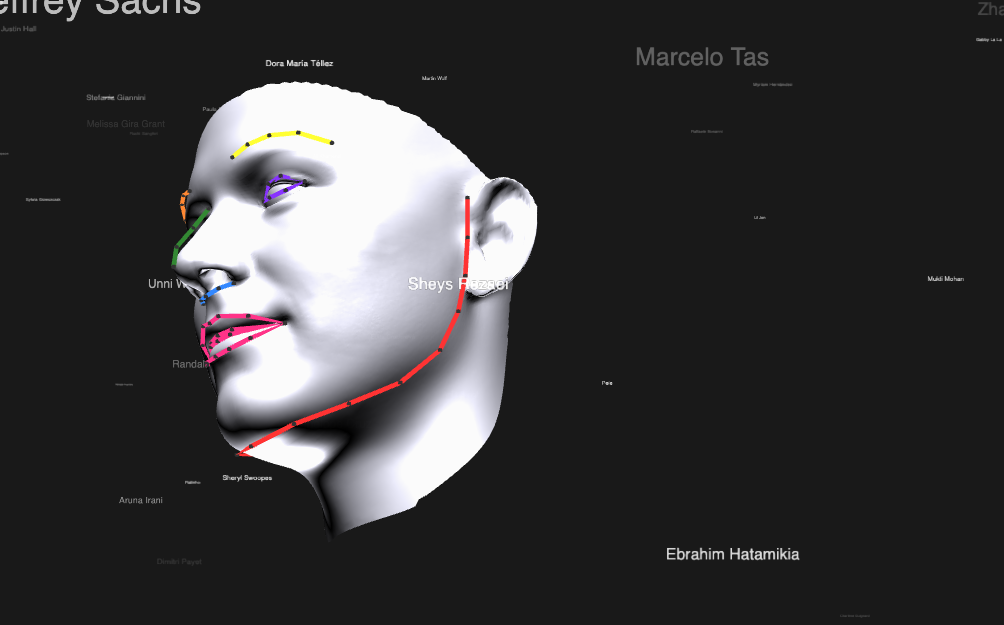
Exposing.ai search
Search whether your Flickr photos were used in biometric surveillance datasets
- Context:Scraping of Flickr photos to train facial recognition/biometric models
- Credit:Adam Harvey, Jules LaPlace
